⚡ QUICK ANSWER
What is hoarding disorder? Clinical definition, the 5 levels of hoarding, how to approach a loved one, and what professional cleanout looks like in...
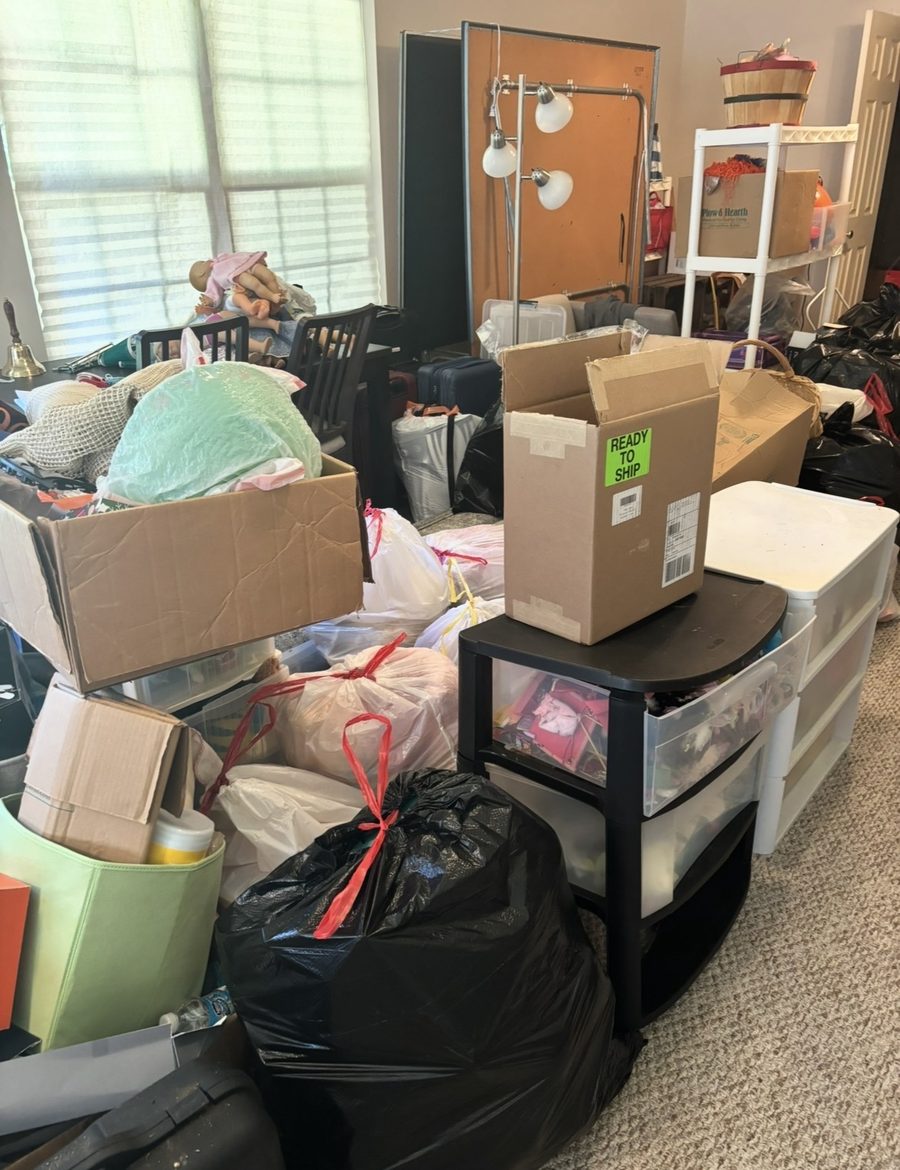
🔬 Clinical context: According to the American Psychiatric Association's DSM-5, Hoarding Disorder affects an estimated 2–6% of the U.S. population — roughly 6–19 million Americans — yet remains one of the most misunderstood mental health conditions. This guide is written for families and property managers facing a hoarding cleanup situation in Virginia.
Source: American Psychiatric Association, DSM-5 Diagnostic and Statistical Manual of Mental Disorders, 5th Edition (2013).
What Is Hoarding Disorder? The Clinical Definition
Hoarding Disorder is defined in the DSM-5 as persistent difficulty discarding or parting with possessions, regardless of actual value. The behavior results in accumulation of possessions that clutter living areas and substantially compromise their intended use. Unlike general messiness or "collecting," hoarding disorder causes significant distress and functional impairment.
It's distinct from being a collector (collectors organize, display, and derive pleasure from a curated collection) and from temporary clutter during life transitions (a move, a death, a renovation). Hoarding disorder is characterized by ongoing acquisition, inability to discard, and a subjective sense that items might be needed in the future or have sentimental value.
Sources: APA, International OCD Foundation; National Study Group on Chronic Disorganization (NSGCD).
The 5 Levels of Hoarding — The Clutter Hoarding Scale
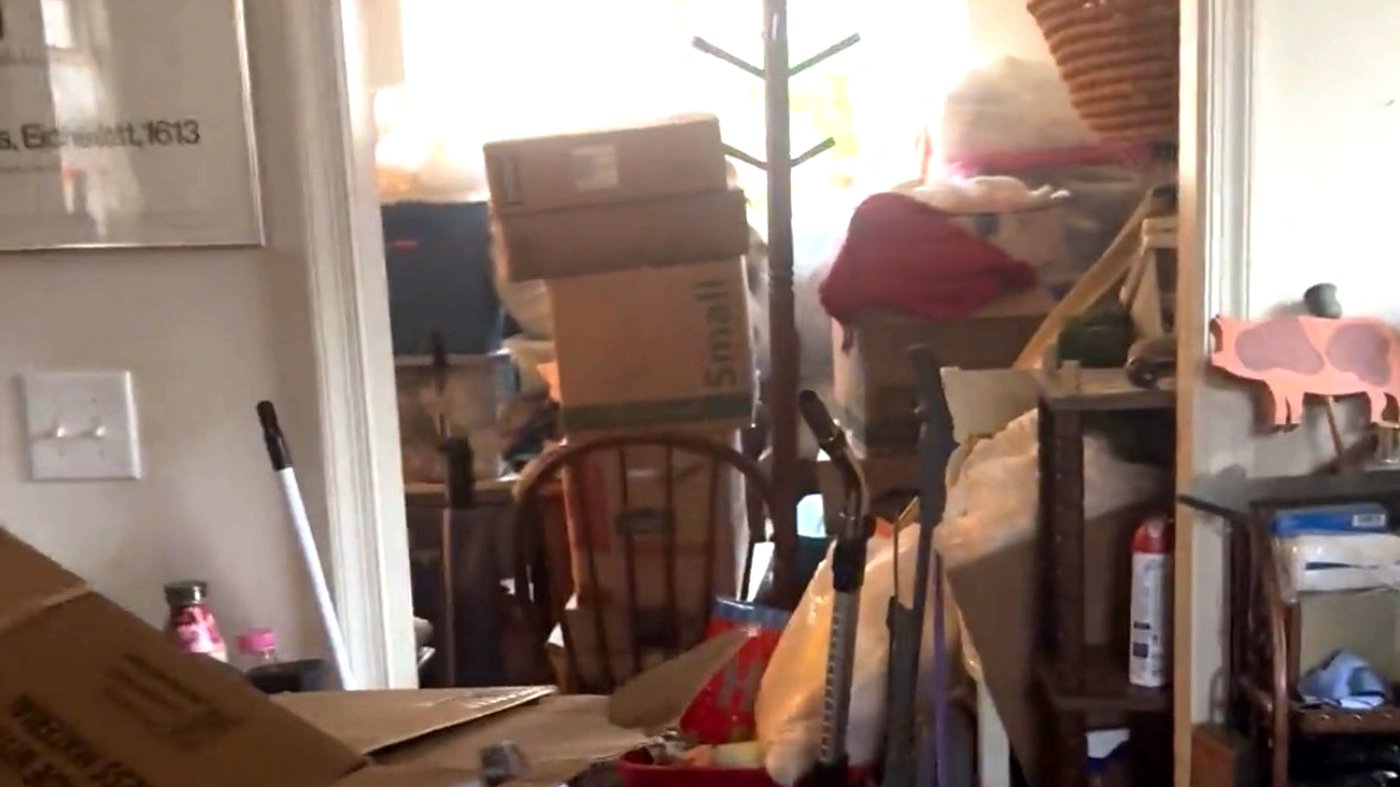
The National Study Group on Chronic Disorganization (NSGCD) developed the Clutter Hoarding Scale, which categorizes hoarding into five levels of severity. Understanding where a loved one falls on this scale helps determine what kind of professional support is needed.
| Level | Characteristics | Cleanout Approach |
|---|---|---|
| Level 1 | Minimal clutter, all exits accessible, no odors | DIY or light professional help |
| Level 2 | Some rooms compromised, minor odors, pest evidence possible | Professional junk removal team |
| Level 3 | Multiple rooms inaccessible, narrow pathways, structural concerns possible | Experienced cleanout crew, multi-day |
| Level 4 | Structural damage, rodent infestation, no working utilities in rooms | Specialist crew + possible remediation |
| Level 5 | Hazardous materials, fire risk, uninhabitable rooms, possible biohazard | Licensed remediation + biohazard team |
How to Talk to a Loved One About Hoarding
The International OCD Foundation recommends approaching hoarding conversations with empathy, not ultimatums. Key principles:
- Lead with concern for their safety — not frustration with the mess. "I worry about you being able to get out if there's a fire" lands better than "this is disgusting."
- Validate the emotional connection — most people who hoard attach genuine meaning to their items. Dismissing that meaning shuts conversation down.
- Don't clean without consent — removing items without permission during an active hoarding situation often causes trauma and worsens the behavior.
- Involve a mental health professional early — a therapist experienced in CBT for hoarding can make physical cleanout significantly more sustainable.
- Set one goal at a time — "let's make the kitchen functional" is achievable. "Let's clear the whole house" is overwhelming and often leads to paralysis.
Source: International OCD Foundation, "Hoarding: Information for Families and Clinicians."
What a Professional Hoarding Cleanout Looks Like
At Albemarle Moving and Junk Removal, we've completed hoarding cleanouts across all five levels in Central Virginia. Our approach:
- Pre-cleanout assessment — we walk the property with whoever is coordinating, establish the scope, identify any hazardous elements that need specialist handling, and confirm realistic timelines and pricing before any commitment.
- Donate-first sorting — even in severe hoarding situations, a meaningful percentage of accumulated items have donation value. We separate these before anything goes toward disposal. In 2025, we connected donated goods from hoarding cleanout jobs to 30+ Central Virginia families.
- Systematic room-by-room clearing — we don't throw everything in a truck at random. We work methodically, maintain a "keep" area that nothing approaches without explicit direction, and move at a pace that matches what the coordinating person can handle emotionally.
- Respectful, no-judgment crew — our team has worked enough hoarding situations to understand the emotional weight. Nobody on our crew makes comments, takes photos, or treats the situation as anything other than a professional job.
If your loved one is present during the cleanout, consider designating a trusted person as their companion — someone whose only job is to sit with them, answer questions about specific items, and help them through the emotional difficulty of the day. Having a professional cleanout crew handle the physical work while a family member or mental health professional handles the emotional support produces significantly better outcomes.
Hoarding Cleanout Cost in Charlottesville, Virginia
Pricing for hoarding cleanouts is always based on truck volume because the range is so wide. A Level 2 situation might fill 2 trucks ($998). A Level 4 or 5 might fill 10–15 trucks ($4,990–$7,485). We give you a realistic range on the phone based on your description, confirm on-site before loading, and never start without your agreement. No deposit. Call 434-230-4551.